Osprey: A Unique Font for Creative and Practical Use
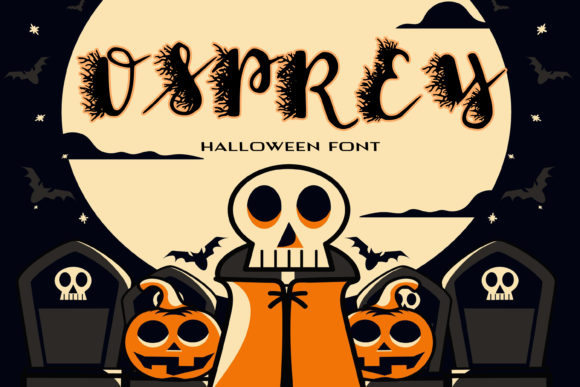
Osprey is more than just another display font—it’s a versatile typeface that brings a touch of personality and visual interest to any project. With its quirky yet elegant design, Osprey stands out in a sea of standard fonts, making it an excellent choice for designers, content creators, and anyone looking to add a unique flair to their work.
What Makes Osprey Stand Out?
Osprey is designed with a distinctive character that blends modern aesthetics with a bit of whimsy. Its letterforms are clean and legible, but they also carry a subtle charm that makes them memorable. The font has a slightly rounded feel, which gives it a friendly and approachable vibe. This combination of readability and personality makes it ideal for both digital and print media.
One of the most appealing aspects of Osprey is its adaptability. It works well in a variety of contexts, from branding and marketing materials to creative projects and personal websites. Whether you're designing a logo, creating a poster, or building a website, Osprey can enhance your message without overpowering it.
Real-World Applications of Osprey
Let’s dive into some practical situations where Osprey might be the perfect fit:
- Branding and Logo Design: Osprey’s unique style can help a brand stand out. For example, a boutique coffee shop or a small artisanal business could use Osprey in their logo to convey creativity and individuality.
- Marketing Materials: Brochures, flyers, and social media graphics often benefit from a font that grabs attention. Osprey’s playful nature makes it ideal for promotional content that needs to be both eye-catching and easy to read.
- Website Headers and Call-to-Action Buttons: Using Osprey for headers or CTA buttons can make a website feel more engaging and less generic. It adds a touch of personality that can encourage users to take action.
- Printed Media: Magazines, zines, and even book covers can use Osprey to create a visually compelling layout. Its readability ensures that the text remains clear, even at smaller sizes.
- Personal Projects: If you're working on a personal blog, portfolio, or creative journal, Osprey can add a unique touch that reflects your style and creativity.
Who Benefits from Using Osprey?
Osprey isn’t just for designers—its versatility means it can appeal to a wide range of users:
- Small Business Owners: Looking to build a brand identity that feels authentic and memorable. Osprey helps them communicate their values through design.
- Content Creators: Whether you're a blogger, YouTuber, or social media influencer, Osprey can elevate your visual content and make your brand more recognizable.
- Students and Educators: Teachers can use Osprey in presentations or handouts to make educational materials more engaging. Students might use it in creative assignments or personal projects.
- Freelancers and Entrepreneurs: Those who want to differentiate themselves in competitive markets can leverage Osprey to create a unique visual identity.
- Creative Professionals: Graphic designers, web developers, and other creatives can incorporate Osprey into their workflow to add a fresh perspective to their designs.
Considerations Before Choosing Osprey
While Osprey offers many benefits, there are a few things to keep in mind before using it:
- Readability: Although Osprey is generally readable, it's best used in larger sizes or as a decorative element rather than for long blocks of text.
- Compatibility: Ensure that the version of Osprey you’re using is compatible with the platforms and software you plan to use it on. Some fonts may not render correctly across all devices.
- License Agreement: Always check the licensing terms for Osprey to ensure that you’re using it in compliance with the font’s intended purpose. Some fonts are only available for commercial use, while others are free for personal or non-commercial projects.
- Contrast and Color: When using Osprey, consider how it interacts with background colors and other design elements. Proper contrast is essential for readability and visual impact.
- Consistency: While Osprey is great for accents and headlines, it should be used sparingly to maintain a balanced and cohesive design.
Strengths and Limitations of Osprey
Like any font, Osprey has its strengths and limitations:
Strengths:
- Unique and memorable design that stands out in a crowded market.
- Highly readable in most applications, especially when used in larger sizes.
- Adaptable to various industries and purposes, from branding to creative content.
- Offers a balance between elegance and playfulness, making it versatile for different audiences.
Limitations:
- May not be suitable for long-form text due to its stylized appearance.
- Requires careful pairing with other fonts to avoid visual clutter or imbalance.
- Not always ideal for formal or traditional settings where a more classic font might be preferred.
By understanding these strengths and limitations, you can make informed decisions about when and how to use Osprey effectively in your projects.