Alladin: A Strategic Tool for Creative and Professional Expression
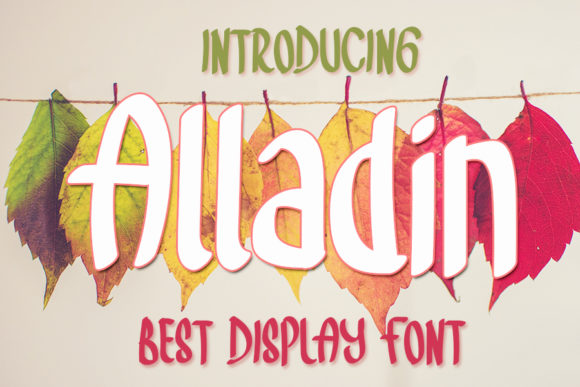
When it comes to visual communication, the right font can make all the difference. Alladin is a display font that brings a unique charm and personality to any design. Its playful yet elegant style makes it an ideal choice for projects that require both creativity and clarity. Whether you're designing marketing materials, branding assets, or digital content, Alladin has the potential to elevate your work in meaningful ways.
The Strategic Value of Alladin
Alladin isn't just another font—it's a strategic asset. In a world where first impressions matter, the typography you choose can influence how your message is received. Alladin’s distinctive letterforms are designed to capture attention while maintaining readability. This balance between aesthetics and function is what sets it apart from many other display fonts.
For professionals who rely on visual storytelling, Alladin offers more than just a decorative touch. It can be used to reinforce brand identity, enhance user engagement, and create emotional connections with your audience. When applied thoughtfully, it supports your overall goals by making your designs more memorable and impactful.
How Alladin Supports Your Goals and Planning
Every great project starts with clear objectives. Alladin can play a role in helping you achieve those goals by aligning your visual strategy with your messaging. For instance, if your goal is to create a sense of joy and positivity, Alladin's cheerful appearance can help convey that tone effectively.
When planning your design approach, consider how Alladin fits into your broader strategy. Is it suitable for a specific audience? Does it reflect your brand's personality? By answering these questions, you can ensure that your use of Alladin is intentional rather than random. This kind of thoughtful application leads to better outcomes and more consistent results.
Use Cases for Alladin
- Branding: Use Alladin for logos, taglines, and promotional materials to create a cohesive and recognizable brand identity.
- Marketing: Incorporate Alladin into social media graphics, email templates, and advertisements to stand out in a crowded digital space.
- Education: Teachers and educators can use Alladin in presentations, handouts, and learning materials to make content more engaging and visually appealing.
- Freelancing: Freelancers can leverage Alladin to differentiate their work and showcase their creativity in portfolios and client proposals.
- Small Business: Small business owners can use Alladin to enhance their storefront signs, website headers, and packaging to create a welcoming and professional image.
Each of these use cases highlights how Alladin can support different aspects of your professional or creative workflow. The key is to match its characteristics with your specific needs and audience expectations.
Planning Tips for Using Alladin Effectively
Before incorporating Alladin into your projects, take time to plan and evaluate. Here are some practical tips to help you make informed decisions:
- Define Your Purpose: Ask yourself why you want to use Alladin. Is it to add a whimsical element, or does it serve a more functional role in your design?
- Consider Context: Think about where and how Alladin will be used. Will it be visible on a small screen or printed material? How much contrast will it need to be legible?
- Test It Out: Experiment with different sizes, colors, and backgrounds to see how Alladin looks in various environments. This helps you identify potential issues before finalizing your design.
- Balance with Other Fonts: While Alladin is a standout font, it should not be used as the sole typeface in your design. Pair it with complementary fonts to maintain readability and visual harmony.
- Align with Brand Voice: Ensure that Alladin reflects the tone and personality of your brand. If your brand is serious or professional, consider whether Alladin is the best fit.
By following these steps, you can avoid common pitfalls and ensure that your use of Alladin is both effective and aligned with your goals.
Risks of Using Alladin Without Clear Goals
While Alladin has many advantages, it's important to recognize the risks of using it without a clear purpose. One of the biggest risks is that it may not resonate with your target audience. If your audience prefers a more traditional or professional look, Alladin might come across as unprofessional or off-putting.
Additionally, relying on Alladin without considering its limitations can lead to poor readability, especially at smaller sizes. This can negatively impact user experience and reduce the effectiveness of your communication. It's also possible that overusing Alladin could dilute its impact, making it less noticeable when it's most needed.
To mitigate these risks, always approach Alladin with intentionality. Use it strategically in contexts where its unique qualities can shine, and avoid applying it randomly or without purpose.
Long-Term Benefits of Intentional Font Use
Intentional use of fonts like Alladin can have long-term benefits for your creative and professional growth. When you consistently apply fonts that align with your goals and audience, you build a stronger brand identity and establish trust with your audience.
Moreover, thoughtful typography choices contribute to better decision-making. They help you communicate your message more clearly and effectively, which can lead to improved outcomes in your work. Over time, this can result in increased recognition, customer loyalty, and overall success.
As you continue to refine your approach to design and communication, remember that Alladin is just one tool among many. Its value lies in how you choose to use it—strategically, intentionally, and with purpose.